
The IT Cloud Solutions world is quickly evolving towards ‘smarter, faster, and better’ IT cloud solutions. In 2025, companies no longer debate whether they should migrate towards the cloud — they debate at what speed.
From Server-Based Computing to personal compute services and corporate platforms such as the service Google Cloud Innovation, cloud computing is powering the future of scalability, AI enablement, and cost-effectiveness.
What Are IT Cloud Solutions?
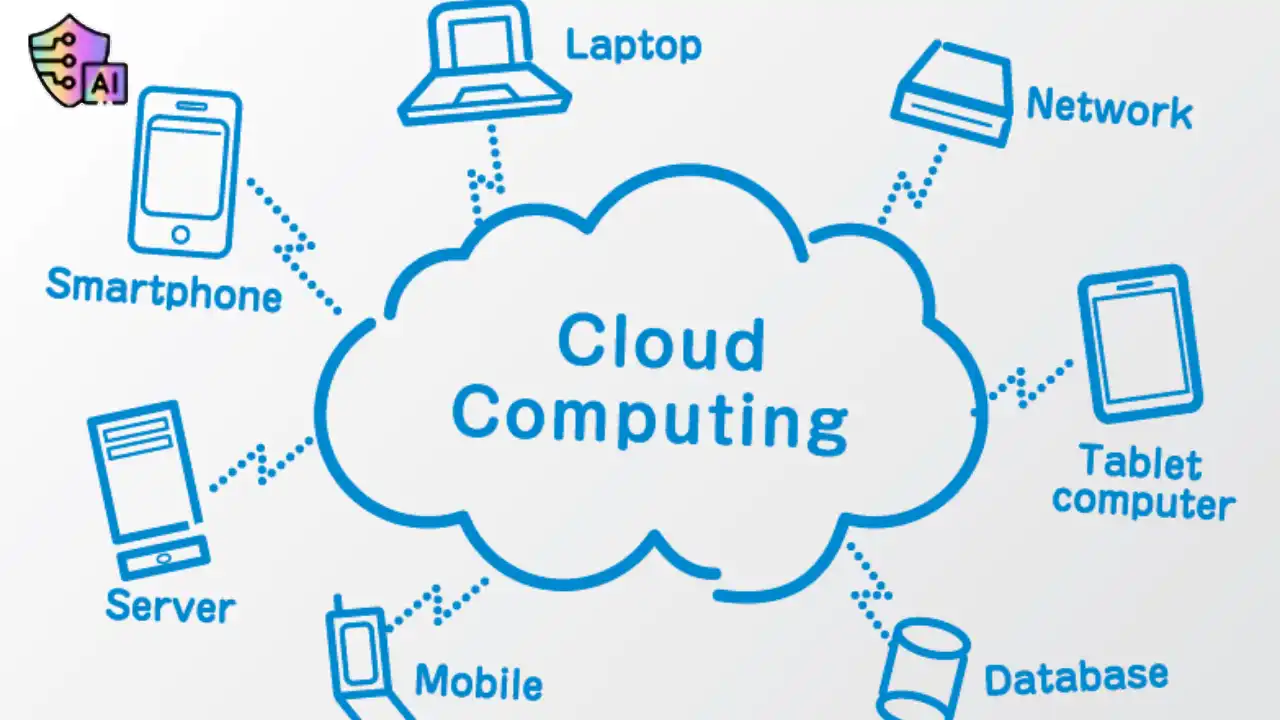
IT cloud solutions are virtual systems that provide storage, computing, and network capacity over the web. Rather than acquiring costly physical servers, organizations can have computing power on demand from worldwide data centers.
Key Benefits of IT Cloud Solutions:
Scalability: Scale resources in real-time with demand.
Cost Effectiveness: Pay for what you consume and cut IT infrastructure expenses.
Security: High-level encryption and compliance measures.
Performance: Quick global access and information transfer.
Automation: Integrated AI and machine learning for intellectual operations.
Understanding Server-Based Computing
Server-based computing (SBC) is also an oldest but strongest IT infrastructure approach. In this approach, different users can operate applications that are centralized on servers as opposed to personal PCs.
Benefits of Server-Based Computing:
Centralized Management: Upgrades, information, and applications are managed from a single secure location.
Enhanced Security: Sensitive data never leaves the server.
Lower Hardware Costs: The end-user devices function as mere terminals only.
Improved Collaboration: No need for parallel development on identical environments.
Private Compute Services: Security Meets Performance
Private Compute Services: Security and Performance Unite
When companies have sensitive or regulated information, private compute services are the ultimate solution. Differing from public clouds, such services have a distinct, separated environment for ultimate protection and compliance.
Advances in PVS Technologies:
Increased Privacy: Data remains on secure, nonpublic infrastructure.
Custom Compliance: Complies with industry such as HIPAA, GDPR, and SOC 2.
Reliable Uptime: Assured resource allocation for business-critical operations.
Hybrid Compatibility: Compatible with public cloud for flexibility.
Major tech companies such as Google, IBM, and Oracle have private computing offerings that integrate the best of both worlds — scalability of the cloud and security that’s private.
Service Google Cloud: The Backbone of Modern Cloud Infrastructure
Among all providers, service Google Cloud stands out for its balance of speed, AI integration, and developer-friendly tools.
Google Cloud Key Features
- Compute Engine: Flexible virtual machines for any workload.
- Google Kubernetes Engine (GKE): Simplified container orchestration.
- BigQuery: AI-powered data analytics platform.
- Vertex AI: Develop, deploy, and scale machine learning models quickly.
- Confidential VMs: Secures your information encrypted even at processing stage.
Why Businesses Choose Google Cloud
Industry-leading uptime (99.99%)
Strong sustainability commitment (carbon-neutral data centers)
Deep integration with AI, machine learning, and APIs
Transparent pricing and scalable options
| Feature / Service | Server-Based Computing | Private Compute Services | Google Cloud Platform |
|---|---|---|---|
| Data Control | Centralized | Fully Isolated | Configurable |
| Scalability | Moderate | High | Very High |
| Security | Strong | Maximum | Enterprise-grade |
| AI Integration | Limited | Moderate | Advanced |
| Cost | Medium | High | Flexible Pricing |